
"water content"
9000 article(s) found
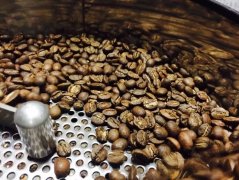
Detailed analysis of mineral carbohydrates in coffee beans
Moisture: the water content of coffee beans varies greatly with different processing stages and products. The moisture content of wet coffee beans with film is about 50%, while that of dried raw coffee beans is about 10%-13%. The water content of roasted coffee beans is only less than 5%. The existence of water in coffee beans is the same as other kinds of food and beverages, because it contains a considerable amount of hydration colloid macromolecules.

The influence of the water content of coffee beans and the external environment on the formation of spices during roasting
The aromatherapy compounds of coffee beans are mainly produced by a series of complex aromatherapy reactions during the roasting period.
Coffee common sense some suggestions on the preservation of raw coffee beans
The preservation of raw coffee beans is generally affected by the following: 1) the water content of raw coffee beans, 2) the temperature of the surrounding environment, 3) relative humidity, the water content of the coffee bean itself: about 10-11% water content is our general understanding of a batch of good raw beans, but where does this number come from? What is its credibility? Kenya did an experiment on this, in a room of 10-35 degrees Celsius.

Detailed Analysis of Coffee Bean ingredients basic knowledge of Fine Coffee
Moisture: the water content of coffee beans varies greatly with different processing stages and products. The moisture content of wet coffee beans with film is about 50%, while that of dried raw coffee beans is about 10%-13%. The water content of roasted coffee beans is only less than 5%. The existence of water in coffee beans is the same as other kinds of food and beverages, because it contains a considerable amount of hydration colloid macromolecules.

Detailed analysis of the ingredients of coffee beans general knowledge of fine coffee
Moisture: the water content of coffee beans varies greatly with different processing stages and products. The moisture content of wet coffee beans with film is about 50%, while that of dried raw coffee beans is about 10%-13%. The water content of roasted coffee beans is only less than 5%. The existence of water in coffee beans is the same as other kinds of food and beverages, because it contains a considerable amount of hydration colloid macromolecules.
Some suggestions on the preservation of raw beans in the common sense of fine coffee
The preservation of raw coffee beans is generally affected by the following: 1) the water content of raw coffee beans, 2) the temperature of the surrounding environment, 3) relative humidity, the water content of the coffee bean itself: about 10-11% water content is our general understanding of a batch of good raw beans, but where does this number come from? What is its credibility? Kenya did an experiment on this, in a room of 10-35 degrees Celsius.

Water with high mineral content is not suitable for making coffee.
Water with too much mineral content is not suitable for making coffee, but distilled water with no minerals at all, although it is the purest, sanitary and safe, always feels empty and boring to drink. If distilled water is used to make coffee, there is something missing in taste. When I was eating in a large-scale western restaurant, I drank a glass of musty water. I don't know if the cup didn't wash clean, or how.
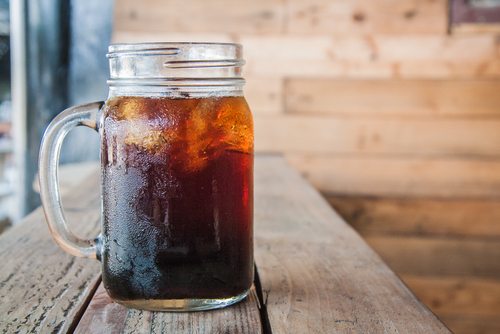
do away with all fetishes and superstitions! Cold extract coffee has a high caffeine content. In fact, the truth is that...
Professional baristas Please follow the Coffee Workshop (official Wechat account cafe_style) many people have long misunderstood coffee and its caffeine content. For example, many people will think that espresso coffee has the most caffeine (but if you look at the beverage content, it is not); deep-roasted coffee will contain more caffeine than light-roasted coffee (actually

Good water, good coffee. Water with too much mineral content is not suitable for making coffee.
Water with too much mineral content is not suitable for making coffee, but distilled water completely free of minerals, although the purest, sanitary and safe, always feels empty and boring when drinking. If distilled water is used to make coffee, it will taste something less. I once drank a cup of musty water when I dined in a large-scale western restaurant. I don't know if the cup was not washed clean or how.

Detailed analysis of carbohydrates in coffee beans
★ moisture: the water content of coffee beans varies greatly with different processing stages and products. The moisture content of wet coffee beans with film is about 50%, while that of dried raw coffee beans is about 10%-13%, and that of roasted coffee beans is only less than 5%. The existence of water in coffee beans is the same as other kinds of food and beverages, because it contains a considerable amount of hydration colloid macromolecules.

A suggestion on the preservation of raw beans the preservation of raw coffee beans is generally affected by the following
The preservation of raw coffee beans is generally affected by the following: 1) the water content of raw coffee beans, 2) the temperature of the surrounding environment, 3) relative humidity, the water content of the coffee bean itself: about 10-11% water content is our general understanding of a batch of good raw beans, but where does this number come from? What is its credibility? Kenya did an experiment on this, in a room of 10-35 degrees Celsius.
Detailed Analysis of the components of Fine Coffee
★ moisture: the water content of coffee beans varies greatly with different processing stages and products. The moisture content of wet coffee beans with film is about 50%, while that of dried raw coffee beans is about 10%-13%, and that of roasted coffee beans is only less than 5%. The existence of water in coffee beans is the same as other kinds of food and beverages, because it contains a considerable amount of hydration colloid macromolecules.
Detailed Analysis of the components of Fine Coffee Bean
★ moisture: the water content of coffee beans varies greatly with different processing stages and products. The moisture content of wet coffee beans with film is about 50%, while that of dried raw coffee beans is about 10%-13%, and that of roasted coffee beans is only less than 5%. The existence of water in coffee beans is the same as other kinds of food and beverages, because it contains a considerable amount of hydration colloid macromolecules.

How much caffeine is in espresso-espresso content
How much caffeine does espresso contain? espresso Espresso is the strongest coffee in the world and needs a cup of water to embellish your mouth before tasting it. The basic tasting method is to smell first. Espresso has a strong and charming aroma and should be well immersed. Then there is the product, Espresso has a variety of genres, of course, according to personal preferences to decide. Basically divided into two.

Detailed analysis of the ingredients of coffee beans what are the ingredients in a coffee bean?
★ moisture: the water content of coffee beans varies greatly with different processing stages and products. The moisture content of wet coffee beans with film is about 50%, while that of dried raw coffee beans is about 10%-13%, and that of roasted coffee beans is only less than 5%. The existence of water in coffee beans is the same as other kinds of food and beverages, because it contains a considerable amount of hydration colloid macromolecules.
Knowledge of high-quality coffee beans detailed analysis of the components of coffee beans
★ moisture: the water content of coffee beans varies greatly with different processing stages and products. The moisture content of wet coffee beans with film is about 50%, while that of dried raw coffee beans is about 10%-13%, and that of roasted coffee beans is only less than 5%. The existence of water in coffee beans is the same as other kinds of food and beverages, because it contains a considerable amount of hydration colloid macromolecules.

What is the caffeine content of normal espresso?
What is the caffeine content of normal espresso? Espresso has the lowest caffeine content of all coffee practices because coffee has the shortest contact with water during the production process. The caffeine content of Espresso is about 1 / 10 of that of ordinary coffee and 1 / 10 of that of instant coffee. Espresso is the most fragrant coffee that does not affect sleep. Espresso coffee

Costa Rica Black Honey treatment Water content Coffee Bean Flavor description Grinding scale Variety treatment
Costa Rican Black Honey treats Water content Coffee Bean Flavor description Grinding scale Variety treatment method Costa Rican Coffee has always been considered to be the perfect type of classic flavor, balanced, clean and mild is its keynote. San Juan Youzhuang, a processing plant in the western valley of Herba é, comes from a famous tangerine county (Naranjo) producing area with excellent natural geographical conditions and excellent regional planting tube.